Facial Laser Resurfacing: A Fresh Approach to Uneven Skin
Healthy-looking skin is often associated with an even texture, balanced tone, and natural brightness. However, everyday factors can gradually affect its appearance. Sun exposure, acne, age-related changes, and environmental stress may leave the complexion looking uneven or less smooth. When traditional skincare does not fully address certain concerns, professional aesthetic treatments can provide additional options. Facial laser resurfacing is one approach that uses controlled laser energy to target selected areas of the skin. Coolaser Clinic provides professional aesthetic treatments for individuals interested in personalized skin rejuvenation options.
What Causes an Uneven-Looking Complexion?
Skin texture and tone can change for many different reasons. Some changes occur naturally as the skin ages, while others develop because of external influences.
Common factors include prolonged sun exposure, previous acne, reduced collagen production, dehydration, and repeated environmental stress. These influences can contribute to fine lines, pigmentation changes, rough patches, or a generally dull appearance.
Although a consistent skincare routine can support the skin, some established concerns may remain visible despite regular cleansing and moisturizing. This is where targeted professional procedures may become worth discussing.
When Professional Resurfacing May Be Considered
Facial laser resurfacing may be explored by people who want to address specific visible imperfections rather than simply maintain their everyday skincare routine.
Depending on the technology and treatment plan, potential areas of focus can include:
- Uneven skin texture
- Fine lines and wrinkles
- Certain pigmentation concerns
- Acne-related texture changes
- Sun-damaged areas
- Enlarged-looking pores
- Dull or rough-looking skin
The procedure is not automatically suitable for every person or every skin concern. A professional evaluation helps determine whether laser treatment is appropriate and which approach may be most suitable.
Different Laser Treatments Have Different Goals
The term laser treatment can describe several different technologies and treatment approaches. They do not all work in exactly the same way.
Some lasers primarily target the outermost layers of the skin, while others create controlled treatment zones that extend deeper. The intensity, wavelength, treatment area, and recovery period can therefore vary considerably.
Because of these differences, patients should avoid choosing a treatment based only on a general description found online. A consultation can help explain what a particular technology is designed to do and what type of improvement may realistically be expected.
Why Individual Skin Assessment Matters
Every person’s skin responds differently to cosmetic procedures. Factors such as skin type, sensitivity, pigmentation, previous treatments, and current skincare habits can influence the treatment plan.
During a consultation, a provider may review the patient’s main concerns and discuss:
- The areas that should be treated
- Appropriate laser technology
- Expected downtime
- Possible temporary reactions
- Preparation requirements
- Recommended aftercare
- Whether multiple sessions may be appropriate
This personalized approach can make the treatment process more predictable and help patients understand what to expect before scheduling a procedure.
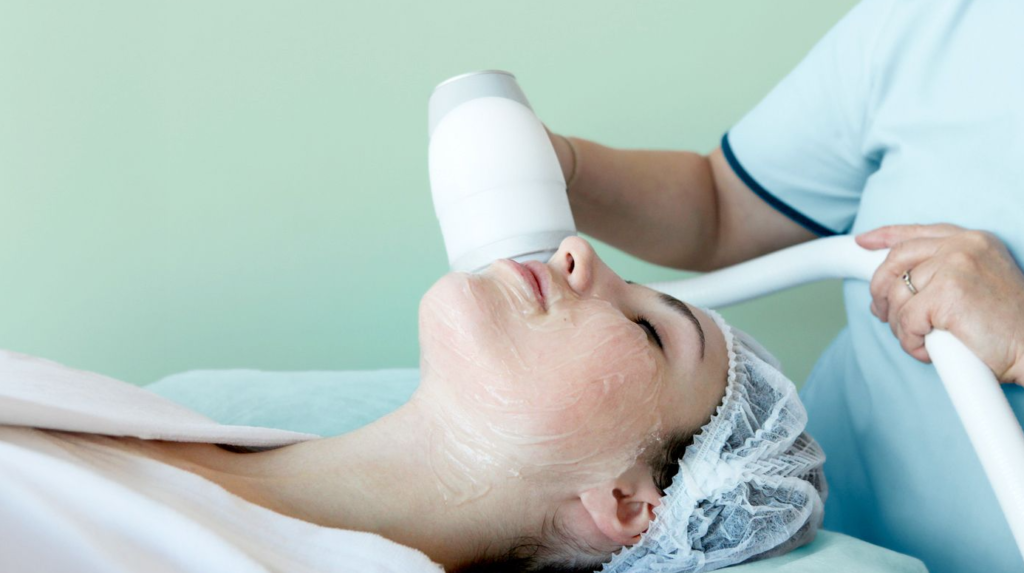
Preparing for a Laser Treatment
Good preparation can be an important part of the overall experience. Patients should follow the instructions provided by their treatment professional because preparation requirements may differ depending on the procedure.
Sun exposure is particularly relevant when preparing for many laser treatments. Protecting the skin from unnecessary ultraviolet exposure can help maintain its condition before treatment.
Patients should also discuss their current skincare routine with their provider. Certain active ingredients or cosmetic treatments may need to be temporarily adjusted before or after the procedure.
What Happens After Treatment?
The recovery period depends on the type of laser treatment performed. Some procedures involve minimal visible downtime, while more intensive resurfacing can result in several days of redness, dryness, sensitivity, or peeling.
During recovery, the skin may need gentle care and additional protection. Patients should avoid picking or scratching treated areas and should follow all professional aftercare instructions.
Sun protection is especially important during the healing process. A suitable sunscreen and other protective habits can help reduce unnecessary exposure while the skin is recovering.
Results Require Patience
One of the most important things to understand about resurfacing is that visible improvement may not appear immediately.
The skin needs time to recover and undergo its natural renewal processes. Depending on the treatment, improvements in texture and overall appearance may become more noticeable over the following weeks.
Lifestyle and skincare habits can also influence how the skin looks after treatment. Consistent hydration, sun protection, gentle cleansing, and appropriate professional skincare can all play a role in maintaining the appearance of the treated skin.
Combining Professional Care With Daily Skincare
A cosmetic procedure works best when it fits into a broader approach to skin maintenance. Daily habits remain important even after professional treatment.
A basic routine may include gentle cleansing, moisturizing, and regular sun protection. Products should be selected according to individual skin needs rather than simply following trends.
After recovery, a provider may also recommend specific products or ingredients to support the skin. Patients should introduce active skincare products carefully and follow professional guidance when necessary.
Setting Realistic Expectations
Professional skin treatments can improve the appearance of selected concerns, but they cannot completely stop natural aging or guarantee a particular outcome.
Results can vary based on age, skin characteristics, treatment settings, lifestyle, and aftercare. Understanding these factors before treatment can help patients approach the procedure with realistic expectations.
A consultation is therefore an important opportunity to discuss both potential benefits and limitations.
Final Thoughts
Uneven texture, fine lines, pigmentation, and other visible changes can develop gradually and may become difficult to address with basic skincare alone. Professional laser treatments offer another option for people who want to target specific concerns.
Facial laser resurfacing can be incorporated into a personalized skincare strategy when the treatment is appropriate for the individual’s skin and goals. Careful preparation, professional guidance, and proper aftercare all contribute to a well-planned treatment experience.