Facial Fat Grafting: A Personal Approach to Modern Rejuvenation
Self-care means different things to different people. For some, it involves healthier daily habits and a consistent skincare routine. Others explore aesthetic treatments when natural changes begin to affect their confidence or how they feel about their appearance. As cosmetic medicine develops, interest has grown in procedures that focus on individual features rather than dramatic transformations. Coolaser Clinic offers information about facial fat grafting, a procedure that uses a person’s own fat to add volume to selected facial areas. Learning about the treatment can help people understand whether it fits their goals and what considerations should come before making a decision.
Beauty Goals Are Becoming More Individual
There is no universal definition of an attractive or youthful face. Some people appreciate defined cheekbones, while others prefer softer contours and fuller facial features. Personal preferences, cultural influences, and natural anatomy all contribute to these differences.
This growing focus on individuality has changed how people approach cosmetic treatments. Instead of asking for a completely different appearance, many want to address one particular concern while preserving the features that make their face recognizable.
Facial volume is one part of this conversation. Changes in the cheeks, temples, and other areas can influence overall proportions. However, understanding the reason behind these changes is important before considering any procedure.
Why Facial Fullness Can Change
The face contains several layers of tissue that contribute to its shape. Skin, fat compartments, muscles, and underlying bone all influence facial contours.
As people age, these structures undergo gradual changes. Fat distribution may shift, certain areas may lose fullness, and skin elasticity can decrease. Genetics and fluctuations in body weight can also influence the process.
For example, reduced cheek volume may create a flatter appearance in the middle of the face. Hollow temples can change the proportions of the upper face. These changes affect individuals differently, which is why treatment decisions should never rely on age alone.
Skincare can support the condition of the skin, but it cannot replace lost volume in deeper tissues. This distinction helps explain why some people research procedures designed specifically for facial contour restoration.
What Makes Fat Transfer Different?
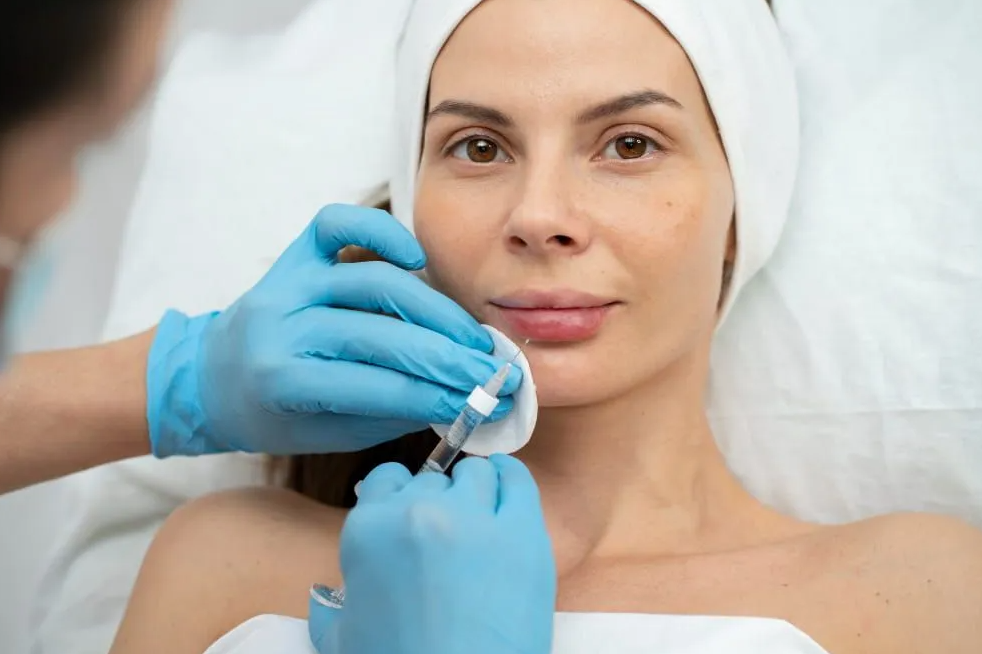
Facial fat grafting is a procedure that uses fat collected from one area of the patient’s body and transfers it to selected facial regions.
The process generally involves three stages:
- Collecting fat from a suitable donor area.
- Processing the collected tissue before transfer.
- Placing the prepared fat into specific facial areas.
The abdomen and thighs may serve as donor areas, depending on the patient’s anatomy and the treatment plan. The practitioner determines where fat should be collected and how much may be appropriate for transfer.
Unlike many injectable fillers, this procedure uses the patient’s own tissue. However, it remains a surgical treatment and requires appropriate medical expertise. Natural material does not mean that complications are impossible or that results are guaranteed.
The Importance of Subtle Changes
One of the main considerations in facial rejuvenation is maintaining balance. Adding volume to one area can influence how surrounding features appear, so the treatment plan should consider the face as a whole.
The cheeks, for instance, contribute to the transition between the lower eyelids and the middle of the face. Changes in cheek fullness may therefore influence the appearance of nearby areas.
A practitioner should evaluate facial proportions before recommending treatment. The objective is not necessarily to create maximum fullness. Instead, the plan should reflect the patient’s anatomy and realistic expectations.
It is also important to understand what fat transfer cannot achieve. It may address selected areas of volume loss, but it does not automatically correct loose skin, pigmentation, or every type of wrinkle.
Recovery Is Part of the Decision
People researching cosmetic procedures often focus on the treatment itself, but recovery deserves equal attention.
After facial fat grafting, swelling, bruising, tenderness, and temporary unevenness may occur. The donor area can also experience discomfort during healing.
The initial appearance may be fuller than the eventual result because swelling gradually decreases and some transferred fat is naturally reabsorbed. The amount of fat that remains varies between individuals.
Patients should follow their surgeon’s instructions about wound care, activity restrictions, sleeping positions, and follow-up visits. They should also ask when they can safely return to work, exercise, and their usual skincare routine.
Severe pain, unusual skin discoloration, vision changes, or rapidly worsening swelling require urgent medical evaluation.
Questions to Consider Before Treatment
A thoughtful decision begins with a detailed consultation. Patients should discuss their medical history, current medications, previous cosmetic procedures, and expectations with a qualified medical professional.
It is useful to ask about the practitioner’s experience, the treatment setting, anesthesia, recovery, and potential complications. Patients should also understand that some transferred fat may not survive and that additional treatment may sometimes be considered.
Potential risks include infection, bleeding, asymmetry, irregular contours, fat necrosis, and changes in sensation. Rare but serious vascular complications are also possible.
Before-and-after photographs may provide helpful examples, but they cannot predict an individual’s outcome. Facial anatomy and healing responses differ, so realistic expectations are essential.
Final Thoughts
Facial fat grafting is one option for people interested in addressing selected areas of facial volume loss. By using the patient’s own tissue, the procedure offers a different approach from treatments based on manufactured injectable materials.
However, suitability and results depend on individual anatomy, medical history, surgical technique, and healing. Understanding these factors helps people approach aesthetic decisions with greater confidence and realistic expectations.