Laser Treatment: What to Know Before Adding It to Your Skin Care Routine
A consistent skincare routine can help maintain healthy-looking skin, but some concerns may require a more targeted approach. Uneven pigmentation, visible signs of aging, rough texture, and other changes can encourage people to explore professional aesthetic procedures. Laser treatment is one of the technologies used to address specific skin concerns while supporting a more comprehensive approach to facial care. Coolaser Clinic offers professional aesthetic services for people who want to explore treatment options based on their individual skin characteristics and cosmetic goals.
What Makes Laser Treatments Different?
Laser procedures use focused light energy to interact with specific structures in the skin. The exact effect depends on the wavelength, intensity, and type of laser being used.
Some technologies work primarily on the surface of the skin, while others target deeper structures or specific pigments. This allows professionals to select different approaches depending on the concern being treated.
As a result, laser treatment should not be viewed as one universal procedure. Different technologies can have very different purposes, recovery periods, and treatment protocols.
Skin Concerns That May Be Treated
One of the main advantages of modern laser technology is its versatility. Depending on the procedure, laser energy may be used to address several cosmetic concerns.
These can include:
- Uneven skin tone
- Certain pigmentation concerns
- Fine lines
- Uneven texture
- Acne-related scars
- Sun-related skin changes
- Redness
- Unwanted hair
A professional consultation is necessary to determine whether laser treatment is appropriate for a particular concern.
Laser Treatment and Skin Rejuvenation
Some laser procedures are designed to support skin rejuvenation by creating controlled changes in targeted tissue.
For example, resurfacing treatments can encourage the skin’s natural renewal process. As the treated area heals, the surface may gradually appear smoother and more even.
The intensity of the procedure can vary. Gentle treatments may produce relatively limited visible changes and require little downtime, while more intensive procedures can involve a longer recovery period.
The right approach depends on the condition of the skin and the desired outcome.
Why Skin Assessment Comes First
Choosing a laser based solely on a specific skin concern is not enough. Skin type, pigmentation, sensitivity, recent sun exposure, medications, and previous cosmetic procedures can all influence treatment planning.
During a professional consultation, the specialist can examine the skin and determine which approach may be suitable.
This assessment can also reveal when laser technology may not be the most appropriate option. Sometimes another procedure or a combination of treatments may better address the underlying concern.
Preparing for a Procedure
Preparation depends on the specific laser being used. Patients may receive instructions about skincare products, sun exposure, shaving, or other aspects of their routine before treatment.
It is important to provide accurate information about medications, supplements, allergies, existing skin conditions, and previous aesthetic procedures.
Following preparation instructions can help create the right conditions for treatment and recovery.
Patients should also avoid making last-minute changes to their skincare routine unless recommended by their professional.
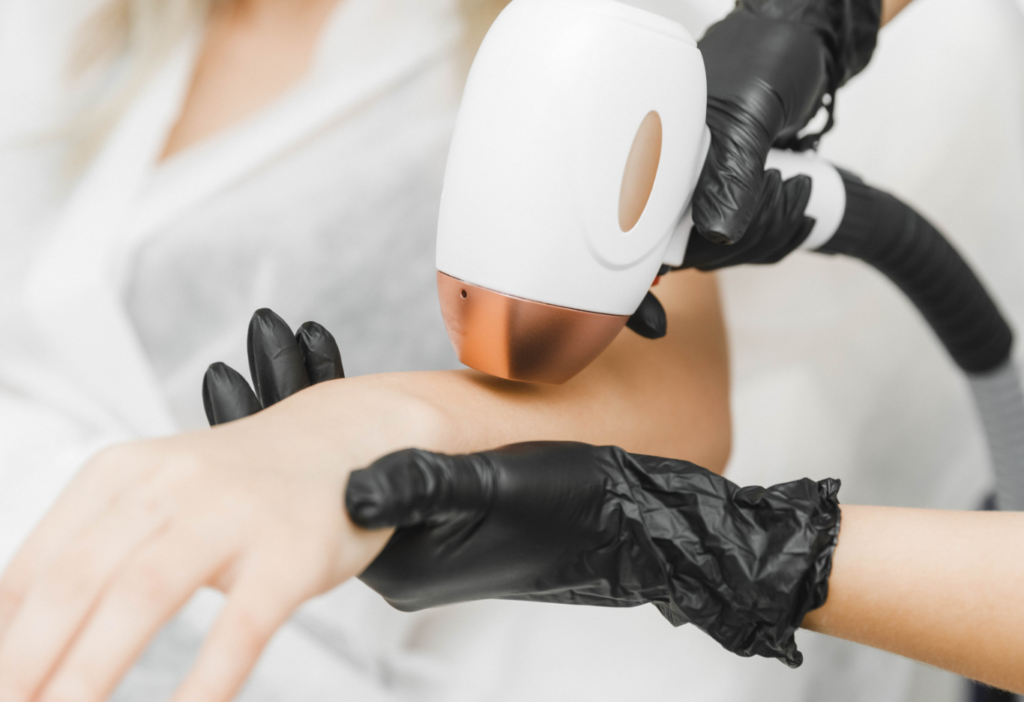
What Does a Laser Session Feel Like?
The sensation during a laser procedure varies according to the technology and treatment intensity.
Some people describe mild warmth, tingling, or brief pulses of discomfort. Certain procedures may use cooling systems or topical numbing products to make the experience more comfortable.
The length of a session also varies. Smaller treatment areas may take relatively little time, while larger areas or more complex procedures can require longer appointments.
The specialist should explain what sensations and temporary skin changes can be expected before treatment begins.
Recovery and Aftercare
Not every laser procedure requires significant downtime. Some treatments allow patients to return to many normal activities relatively quickly, while resurfacing procedures can require more time for the skin to recover.
Temporary redness, sensitivity, swelling, or peeling may occur depending on the procedure.
Aftercare can involve:
- Protecting the skin from direct sunlight
- Using recommended skincare products
- Avoiding unnecessary irritation
- Keeping the treated area clean
- Following restrictions on exercise or other activities
- Avoiding picking or peeling the skin
The exact recommendations should always come from the professional performing the treatment.
Sun Protection Is Especially Important
Sun protection is an important part of everyday skincare, but it deserves particular attention around certain laser procedures.
Ultraviolet exposure can contribute to pigmentation and premature skin aging. Following treatment, the skin may also be more sensitive to environmental factors.
Using appropriate sun protection and following professional recommendations can support the recovery process and help maintain the appearance of the skin.
How Many Sessions Are Necessary?
There is no standard number of laser sessions that applies to everyone.
Some treatments may produce visible changes after one session, while other concerns may require a planned series. The recommended interval between appointments can also vary.
Allowing sufficient time between treatments is important because the skin needs time to recover and respond.
A professional can explain the expected treatment schedule based on the selected technology and individual goals.
Combining Laser Procedures With Daily Skincare
Professional treatments can complement a regular skincare routine rather than replace it.
Gentle cleansing, moisturizing, sun protection, and carefully selected skincare products can help support the skin between appointments.
A long-term approach is often more useful than relying on a single procedure. Laser technology can target specific concerns, while consistent daily care helps maintain overall skin quality.
Choosing the Right Treatment
Anyone considering a laser procedure should learn about the specific technology being recommended. The word “laser” covers many different devices and treatment methods.
Before scheduling a procedure, it can be useful to ask:
- What concern is the treatment designed to address?
- Which laser technology will be used?
- What preparation is required?
- How long might recovery take?
- How many sessions may be recommended?
- What aftercare will be necessary?
- What potential risks should be considered?
These questions can help patients approach aesthetic care with realistic expectations.
Final Thoughts
Laser treatment has become an important part of modern aesthetic skincare, offering different technologies for concerns ranging from uneven pigmentation and texture to visible signs of aging and unwanted hair.
However, choosing the right procedure requires more than identifying a cosmetic concern. Skin characteristics, medical history, treatment goals, and recovery expectations should all be considered.
A professional consultation can help determine whether laser technology is appropriate and which approach may best fit an individual’s needs. Combined with consistent daily skincare and sensible sun protection, professional treatments can become one part of a thoughtful long-term self-care routine.