Laser Facial Resurfacing for Safe and Effective Skin Renewal
Laser facial resurfacing is an advanced cosmetic procedure that helps patients improve skin appearance without invasive surgery. Laser facial resurfacing works by targeting damaged skin layers and stimulating natural collagen production. You can also reach out here for a consultation to see if laser facial resurfacing is suitable for your skin type and goals. This treatment allows controlled, predictable skin improvement with a focus on both aesthetics and safety.
Understanding Laser Facial Resurfacing
Laser resurfacing is a non-surgical treatment using precise light energy to remove or remodel the upper layers of the skin. The procedure stimulates natural healing processes and encourages collagen production, leading to firmer, smoother skin over time.
There are two main types of lasers used:
- Ablative lasers: remove thin outer layers for more pronounced imperfections
- Non-ablative lasers: target deeper skin layers without removing surface tissue
- Fractional lasers: treat microsections while preserving surrounding skin for faster recovery
The choice of laser depends on skin type, severity of concerns, and desired recovery time.
Common Concerns Treated
Laser facial resurfacing addresses several skin issues:
- Fine lines and early wrinkles
- Uneven pigmentation and sun damage
- Acne scars or post-inflammatory marks
- Rough skin texture and enlarged pores
By working at a structural level, laser resurfacing provides results that topical skincare cannot achieve alone.
Preparing for Treatment
Proper preparation ensures safety and optimal results:
- Schedule a professional consultation to evaluate suitability
- Minimize sun exposure prior to treatment
- Avoid active exfoliants or certain medications that increase skin sensitivity
Clinics may provide additional individualized instructions, such as applying specific creams or pre-treatment care routines.
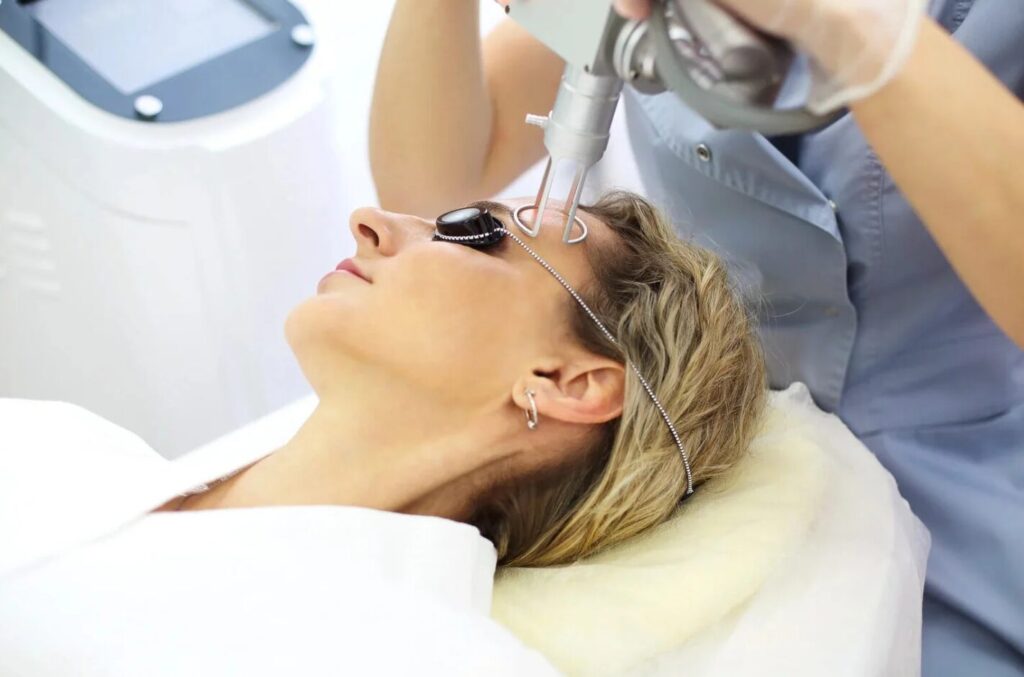
What Happens During the Procedure
The procedure is performed in a clinical environment. After cleansing, a topical anesthetic may be applied for comfort. Patients may feel warmth or mild stinging as the laser is applied.
Treatment times vary depending on the area and laser type:
- Small targeted areas: 20 – 30 minutes
- Full-face resurfacing: 45 – 60 minutes
Redness, swelling, or mild peeling is expected immediately after treatment and gradually resolves over days to weeks.
Post-Treatment Care
Aftercare is critical for proper healing and results:
- Gently cleanse and moisturize the skin
- Avoid direct sunlight and use SPF protection daily
- Refrain from harsh exfoliants or active skincare for the recommended period
- Follow any clinic-specific instructions for ointments or cooling
Adhering to these recommendations reduces complications and supports long-term improvement.
Benefits of Laser Facial Resurfacing
Laser resurfacing provides multiple advantages:
- Improved skin texture and smoothness
- Reduced appearance of fine lines and minor scars
- Increased collagen production for lasting skin support
- Controlled, gradual results under professional supervision
The procedure offers effective skin renewal with predictable outcomes and minimal invasiveness compared to surgical alternatives.
Safety Considerations
While generally safe, not all patients are candidates. People with active infections, specific medical conditions, or very dark skin tones may require alternative approaches. Proper assessment minimizes risks such as hyperpigmentation or prolonged irritation.
Long-Term Maintenance
Results develop as the skin regenerates, typically over several weeks. Improved tone, texture, and clarity can last months to years.
Maintenance includes:
- Sun protection and hydration
- Occasional follow-up treatments as recommended
- Consistent skincare routines
Following professional guidance ensures benefits are long-lasting and safe.
Choosing Laser Facial Resurfacing
Laser facial resurfacing is ideal for individuals seeking non-surgical skin renewal and improvement of texture, tone, and minor imperfections. When performed under professional supervision, the treatment offers predictable, controlled results with minimal downtime and a high degree of safety.